
Hiring the right employees is one of the most important decisions any organization makes. For HR leaders, compliance teams, and business owners, each hire directly impacts workplace safety, company culture, and organizational reputation.
That’s why pre-employment background checks have become a standard part of the hiring process.
Today, more than 95% of organizations in the United States conduct some form of employment background screening.
When implemented thoughtfully, background screening helps employers verify candidate information, reduce hiring risk, and create a safer workplace.
But an effective screening program requires more than simply running a report. Employers must balance risk management, regulatory compliance, and candidate experience while tailoring screening practices to the responsibilities of each role.
Why Employers Conduct Background Checks
Background screening provides verified information that helps organizations make confident hiring decisions. While every organization’s goals may differ, most employers conduct background checks for several key reasons.
Improve the Quality of Hire
Resumes and interviews only tell part of a candidate’s story. Background checks allow employers to verify employment history, education, and professional credentials.
This confirmation ensures candidates truly possess the qualifications required for the role.
Create a Safer Workplace
Workplace safety is a top priority for HR and leadership teams. Pre-employment screening can identify potential risks that may impact employees, customers, or company operations.
A comprehensive screening program helps reduce the likelihood of workplace violence, fraud, theft, and other incidents.
Protect Company Reputation
Employees represent your organization both internally and externally. Thorough vetting helps prevent situations where employee misconduct damages customer trust or public perception.
Reduce Legal and Hiring Risk
Employers have a responsibility to exercise due diligence when hiring. Background checks help demonstrate responsible hiring practices and reduce the risk of negligent hiring claims.
What Does a Background Check Typically Include?
There is no one-size-fits-all background check package. Screening programs should be tailored to the responsibilities of the role and the organization’s regulatory environment.
However, most pre-employment screening programs include several core components.
Identity Verification
Identity verification helps employers confirm that the person completing the screening process is truly the applicant. Using a secure mobile workflow, candidates provide consent, take a selfie, and scan a government-issued ID so identity can be validated before the rest of the screening process begins.
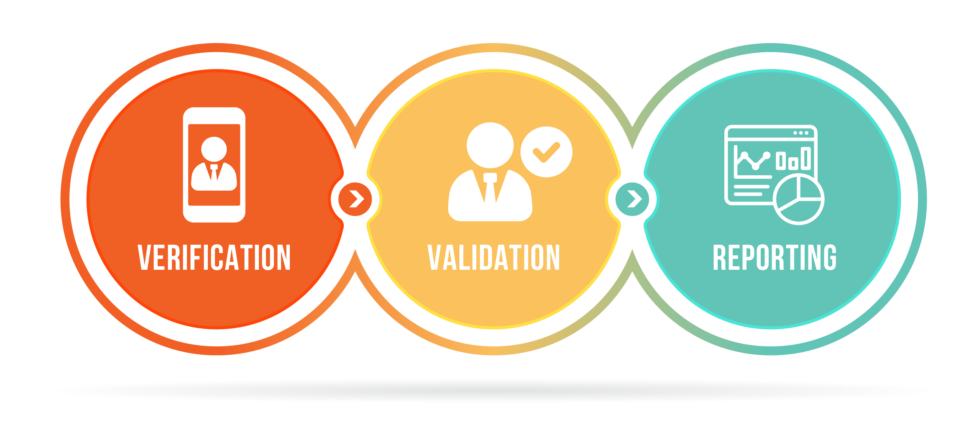
Modern digital identity tools can compare the ID to the candidate’s selfie, apply liveness detection, and return an instant verification report. Verifying identity upfront helps reduce fraud risk, eliminate identity uncertainty, and avoid downstream delays caused by mismatched or incomplete information.
Criminal History Checks
Criminal history searches are one of the most common types of background screening. These checks review court records across multiple jurisdictions to identify potential criminal cases associated with a candidate.
According to the HR.com Trends in the U.S. and Abroad Annual Survey, criminal record checks remain a cornerstone of employer screening programs:
- 89% of organizations conduct state, county, regional, or local criminal record searches on all candidates.
- 84% of organizations conduct national criminal database searches on all candidates.
Common criminal searches include:
- County or state criminal records
- Federal criminal records
- National criminal databases
- Sex offender registry searches
These searches help employers identify potential risks while maintaining compliance with reporting regulations.
Employment Verification
Employment verification confirms the accuracy of a candidate’s work history.
This typically includes confirmation of:
- Dates of employment
- Job title
- Type of employment
- Eligibility for rehire
Education Verification
Many positions require some level of formal education, whether that’s a high school diploma, bachelor’s degree, or advanced credential such as an MBA. Unlike work experience, which can sometimes be open to interpretation, verifying education is typically straightforward — a candidate either completed the degree or did not.
For most employers, education verification focuses on confirming a candidate’s highest level of completed education.
These checks usually verify:



While some employers may be interested in additional information — such as a candidate’s Grade Point Average (GPA) — these details are not always available or included as part of a standard verification.
Professional License Verification
For roles requiring certifications or licenses, employers may verify credentials directly with the issuing organization to ensure the license is valid and current.
Motor Vehicle Records (MVR)
If a role requires driving, employers may review a candidate’s motor vehicle records to identify violations, accidents, or DUI convictions.
Drug Testing
Drug testing is also common in many industries and may include rapid tests or lab-based screenings depending on employer policies.
Compliance Considerations for Background Screening
Background checks must be conducted in accordance with federal, state, and local regulations.
In the United States, many employment background checks are governed by the Fair Credit Reporting Act (FCRA), which is enforced by the Federal Trade Commission and sets requirements for employers who use consumer reports during the hiring process.
Two key compliance concepts include:
Authorization and Disclosure
Before conducting a background check, employers must clearly inform candidates and obtain written authorization.
Adverse Action
If an employer decides not to hire a candidate based on information in a background check report, they must follow the adverse action process, which typically includes:
- Providing a pre-adverse action notice
- Allowing the candidate time to review the report
- Sending a final adverse action notice
These steps ensure transparency and protect candidates’ rights during the hiring process.
Best Practices for Background Screening Programs
Organizations that gain the most value from background checks treat screening as a strategic hiring practice rather than a routine administrative step.
HR leaders can strengthen their screening programs by following these best practices:
- Create a consistent screening policy to ensure fairness across candidates.
- Tailor screenings to job responsibilities and risk levels.
- Balance speed with accuracy to avoid compliance issues.
- Partner with experienced screening providers who understand regulatory requirements.
A well-structured screening program not only improves hiring decisions but also supports long-term workforce stability.
The Bottom Line
Hiring decisions shape the future of every organization.
A thoughtful background screening program helps employers:
- Verify candidate information
- Improve hiring accuracy
- Reduce workplace risk
- Maintain compliance with regulations
- Build trust within the organization
For HR leaders and business owners, background screening isn’t just about confirming the past — it’s about protecting the future of your workforce.
FAQ: Pre-Employment Background Checks
What is a pre-employment background check?
A pre-employment background check verifies a candidate’s identity, criminal history, employment history, education, and other credentials before hiring.
When should employers run background checks?
Most employers conduct background checks after extending a conditional job offer, although timing may vary depending on local regulations.
Why are background checks important?
Background checks help employers make informed hiring decisions, reduce workplace risk, and maintain compliance with hiring regulations.
Ready to Build a Smarter Background Screening Program?
Partnering with an experienced screening provider can help you simplify compliance, improve hiring accuracy, and reduce risk throughout the hiring process. Reach out for more information about how InCheck can support your organization in building a comprehensive screening program.