
What’s Shaping the Future of Background Screening
At the 2026 PBSA Mid-Year Conference, one thing was clear: Background screening is undergoing a fundamental shift.
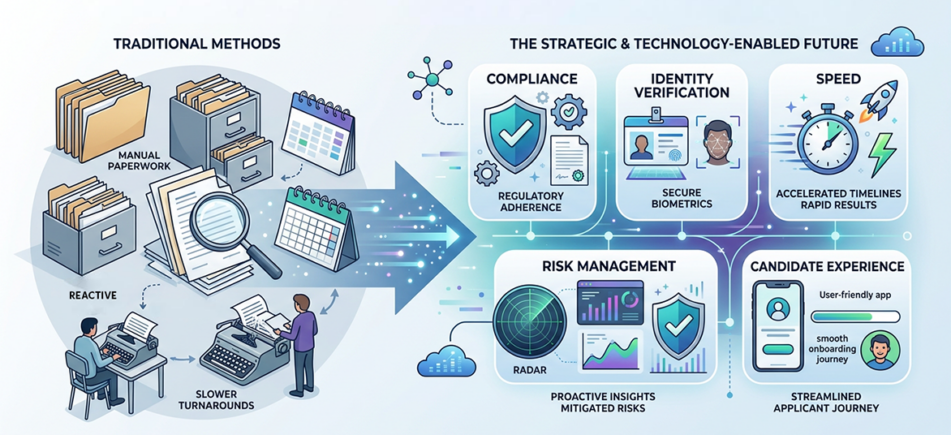
What was once a transactional, compliance-driven process is becoming a strategic function focused on risk, identity, and experience. Employers are asking harder questions, regulations are evolving rapidly, and expectations for speed and accuracy continue to rise.
Before diving in, it’s worth recognizing the many industry leaders and experts who contributed to these insights, including Pam Devata, IDI, iQubed Advisors, and the many speakers and sessions that made this year’s conference especially impactful. Their expertise continues to shape how our industry evolves.
1. Compliance Is More Complex and More Critical Than Ever
Employers are navigating an increasingly fragmented regulatory landscape.
Key areas of focus include:
- Expansion of ban-the-box and fair chance hiring laws
- Greater scrutiny around individualized assessments
- Growing regulation of AI in hiring decisions
- Continued FCRA litigation, particularly around disclosure and adverse action
At the same time, newer laws, such as restrictions on credit checks, are adding layers of complexity.
What this means: Compliance is not static. Employers must continuously adapt policies, processes, and documentation to keep pace.
2. Individualized Assessments Are Now the Expectation
A clear shift is underway: Broad hiring policies are being replaced by individualized, documented decision-making.
If discrepancies or a criminal history are flagged on a screening report, before making decisions, employers are expected to evaluate the information, which may include:
- The nature and timing of an offense
- Evidence of rehabilitation
- Job-relatedness and risk
- The full context of a candidate’s history
And most importantly: Every decision must be appropriately documented, consistent, and defensible.
3. Identity Verification Is Becoming Foundational
One of the most important emerging trends: Traditional background checks confirm data but not identity ownership.
As hiring becomes more remote and digital:
- Fraudulent applicants are bypassing traditional screening workflows
- Verified applicants may pass the screening process, but another worker shows up for the job
- Stolen or synthetic identities are increasingly difficult to detect
- Employers face growing risks tied to payroll fraud, data exposure, and compliance failures
Modern approaches include:
- Liveness detection
- Geo-location validation
- Data validation and anomaly detection
- Biometric identity verification
The shift: Identity verification is moving earlier in the hiring process and becoming a core component of the screening strategy.
4. Speed vs. Risk: The Hiring Balancing Act
Employers are under pressure to hire faster, yet speed may introduce risk.
Key challenges include:
- High application volumes combined with increasing fraud
- Delays driven by court access, jurisdictional differences, and data availability
- Misalignment between expectations and how background data is actually sourced
Reality check: Not all searches are created equal. Coverage, depth, and accuracy vary widely depending on jurisdiction and methodology.
Takeaway: The goal is not just faster hiring. It’s smarter, risk-aware hiring at speed.
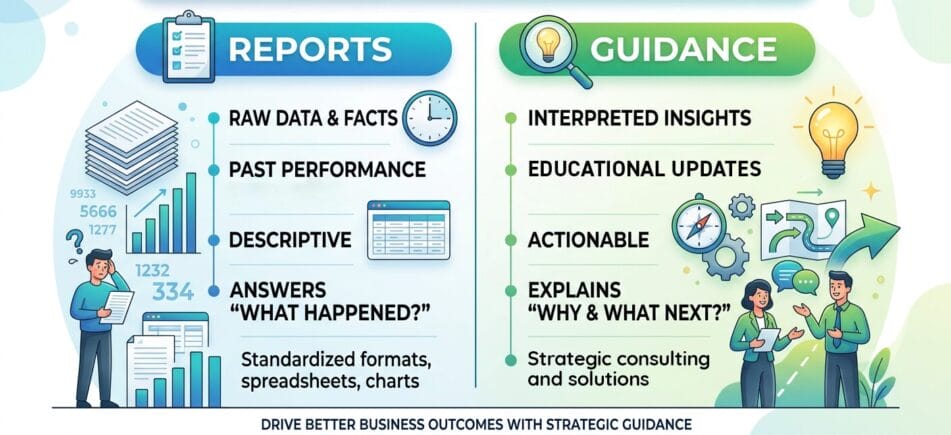
5. Employers Want Guidance and Not Just Reports
A common theme across the conference: Employers aren’t just asking for data. They’re asking for insights and guidance.
They want to understand:
- What different searches actually include
- The limitations of data sources
- How to align screening with risk tolerance and compliance
At the same time, screening providers must strike a balance:
- Avoid stepping into legal decision-making
- Educate and guide
- Provide transparency
6. Transparency and Education Are Competitive Differentiators
In a complex and evolving environment, clarity matters more than ever.
Leading organizations are:
- Setting realistic expectations around turnaround times
- Explaining how and where data is sourced
- Communicating proactively about delays or limitations
- Helping clients understand risk and not just results
The result: Stronger partnerships, better outcomes, and fewer surprises.
7. Background Screening Is Becoming a Strategic Function
Across all discussions, one theme stood out:
Background screening is no longer just a step in the hiring process. It’s a critical component of enterprise risk management.
It now plays a role in:
- Operational efficiency and hiring success
- Compliance and regulatory defense
- Fraud prevention and identity assurance
- Brand protection and candidate experience
InCheck POV: Turning Complexity into Clarity
At InCheck, we see these trends playing out every day, and we believe the future of background screening requires a fundamentally different approach.
1. Compliance-First, Always
We help clients navigate evolving regulations with confidence by:
- Building compliant workflows aligned to jurisdiction-specific requirements
- Supporting proper adverse action processes and documentation
- Providing education so clients understand not just what to do, but why
2. Identity as the Starting Point
As identity risks grow, we believe verification should happen earlier and not later in the process.
That means:
- Leveraging identity intelligence to reduce fraud upfront
- Improving data accuracy before screening begins
- Helping clients protect both their workforce and their brand
3. Smarter Screening, Not Just Faster Screening
Speed matters, but not at the expense of accuracy or risk.
We focus on supporting clients to:
- Right-size screening packages based on role and risk
- Help clients understand trade-offs between coverage, cost, and turnaround time
- Set realistic expectations rooted in how data is actually accessed
4. Partnership Over Transactions
Our role isn’t just to deliver reports. It’s to be a trusted advisor.
We work alongside clients to:
- Educate hiring teams and HR stakeholders
- Provide transparency into processes and limitations
- Help clients make informed, defensible decisions
5. Experience Matters for Employers and Candidates
A compliant, efficient process should also be a positive experience.
We help clients:
- Streamline workflows
- Reduce unnecessary delays
- Deliver a hiring process that builds trust from the start
Final Thoughts
The future of background screening will be defined by those who can balance:
- Compliance
- Security
- Speed
- Candidate experience
Organizations that succeed won’t just deliver background checks. They’ll deliver confidence, clarity, and strategic value.
That’s where the industry is headed.